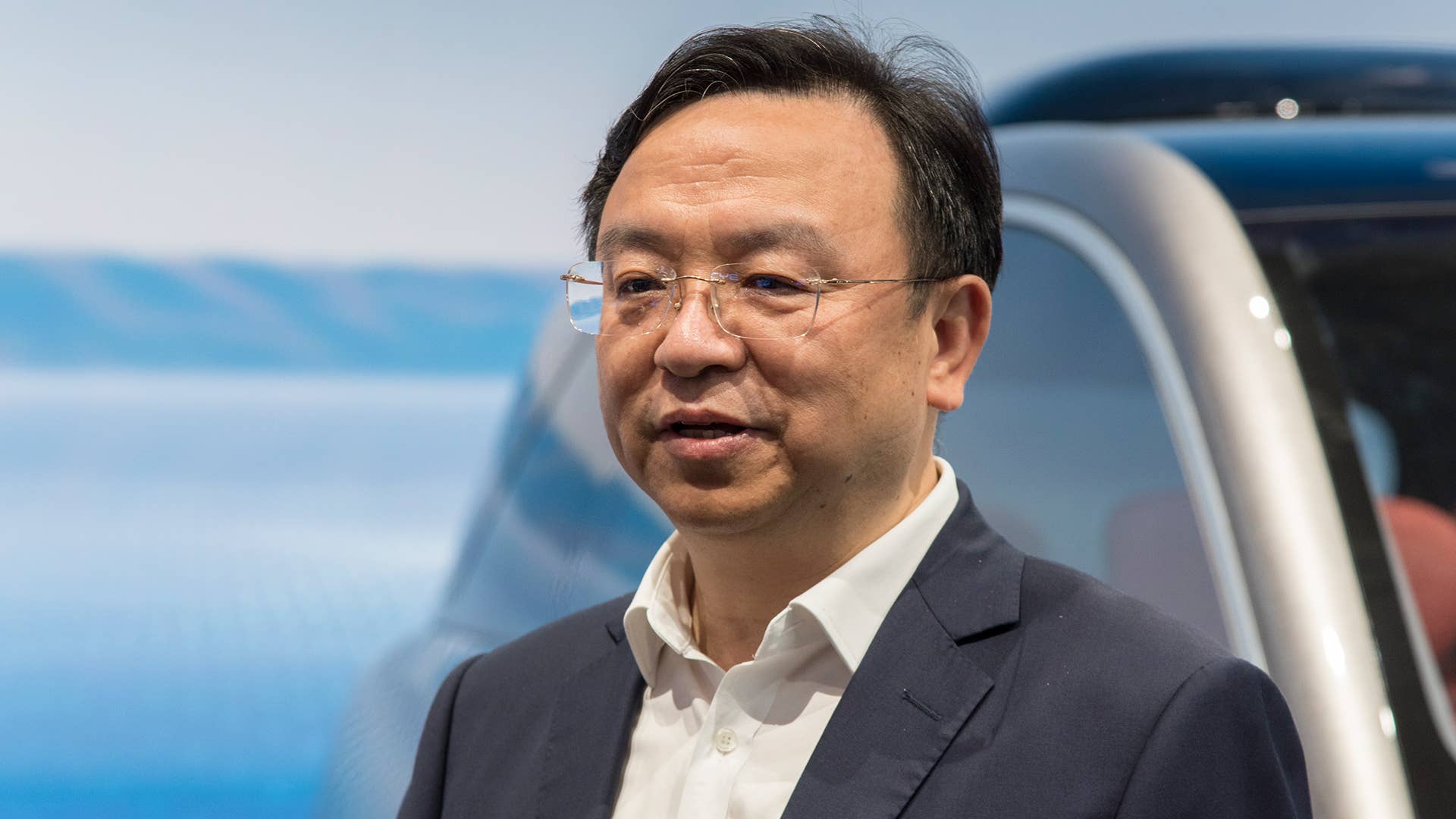
BYD Co. Chairman Wang Chuanfu has revealed a bold goal for the Chinese brand to become the largest global automaker by 2030.
Doing so would mean surpassing Toyota Motor Corp., which has held the crown for six consecutive years and sold more than twice as many vehicles as BYD in 2025. It would be a tremendous achievement if BYD (BYDDY) manages to overtake the Japanese giant by the end of the decade.
Wang’s announcement underlines how rapidly Chinese automakers have evolved into global threats, challenging legacy brands that have been around for far longer.
BYD targets Toyota’s crown
Wang was presenting to shareholders at BYD’s annual meeting on June 9 in the southern city of Shenzhen when he unveiled the 2030 target, reports Automotive News.
“I believe BYD will achieve significant [sales] growth by 2030,” Wang said. “That is, in five years, it will [truly become] the world’s No. 1 in terms of scale.”
BYD sold 4.6 million vehicles in 2025, placing it well behind Toyota (TM), which sold 11.3 million cars last year. Currently, BYD is the fifth-largest auto group globally, behind Toyota, Volkswagen Group, Hyundai Motor Group, and Stellantis.
More Automotive:
- BYD just answered the question Tesla keeps fighting in court
- China is about to repeat an EV move that blindsided U.S.
- Tesla, Toyota expose surprising auto industry truth
BYD’s strong growth has continued in 2026, with May deliveries outside China increasing by 80%. It expects to exceed its overseas sales target of 1.5 million this year.
Despite the enormous gap, the rate of growth for BYD has been such that it can now set its sights on overtaking the industry’s very biggest brands.
To do this, the company will focus on advanced battery technology and expanding in overseas markets. Already, it is preparing to sell vehicles in Canada, right on the doorstep of the lucrative U.S. market.
VCG via Getty Images
Why Chinese carmakers are growing so quickly
Chinese brands primarily competed on price around a decade ago, but they’ve made substantial gains in technology, design, and quality since then. These rapid improvements have not come at the expense of a major pricing advantage.
Chinese automakers have also prioritized industry-leading battery technology, accelerated software updates, and attained faster development cycles, allowing them to quickly eat into the market share of established brands in new markets.
Related: BYD’s new EV draws 30,000 orders at a price US buyers can’t touch
At the meeting in Shenzhen, Wang said ramped-up production of its new batteries will increase BYD sales by up to 30,000 units per month for the rest of the year. These fast-charging lithium iron phosphate batteries are one of several “disruptive technologies” on the way next year.
It’s this sort of innovation that has helped drive the growth of Chinese carmakers.
That said, Toyota still possesses major advantages, including its manufacturing scale, reputation for reliability, and expansive global dealer network.
What BYD’s grand ambitions mean
While Wang’s target sounds overly ambitious, the implications are notable.
If BYD meets its goal, it’s not only Toyota that will feel intensified pressure on profit margins. Volkswagen, Stellantis, and other legacy brands will likely experience the same and will need to find new ways to remain competitive, as the pricing power they enjoyed could erode.
Even if BYD doesn’t surpass Toyota by 2030, Wang’s confidence in the company’s projected growth speaks volumes about Chinese auto brands in general.
Traditional brand loyalty in the car market is being challenged by younger Chinese carmakers that simply offer more for the same cost or less.
The trend has impacted luxury automakers, too. Even BMW has adjusted its annual guidance for 2026 following a decline in China sales. Already, several European automakers are pooling resources to accelerate development in a bid to keep up with Chinese rivals, reports Autoblog.
Toyota retains a substantial lead over all rivals, and BYD’s aim to unseat it would require an extraordinary effort and flawless execution.
The fact that it’s a remotely credible target for BYD speaks volumes about how the balance of power is undoubtedly shifting in the auto industry.
Chinese automakers are much more than emerging, niche players in major markets. Their rise has transformed how legacy brands must evolve to remain competitive.
Related: Chinese EV giant sends a bold message straight to the US
#China039s #BYD #sets #audacious #goal #Overtake #Toyota