Good morning. What’s it like doing business in the Middle East right now? The Strait of Hormuz has closed again, a lasting U.S.-Iran peace deal remains elusive, and global airline profits have been cut in half this year, according to IATA, which blames high fuel costs and war-related disruptions in the Middle East. Visitor arrivals to the region dropped 14% in the first quarter. You could be forgiven for thinking things look dire.
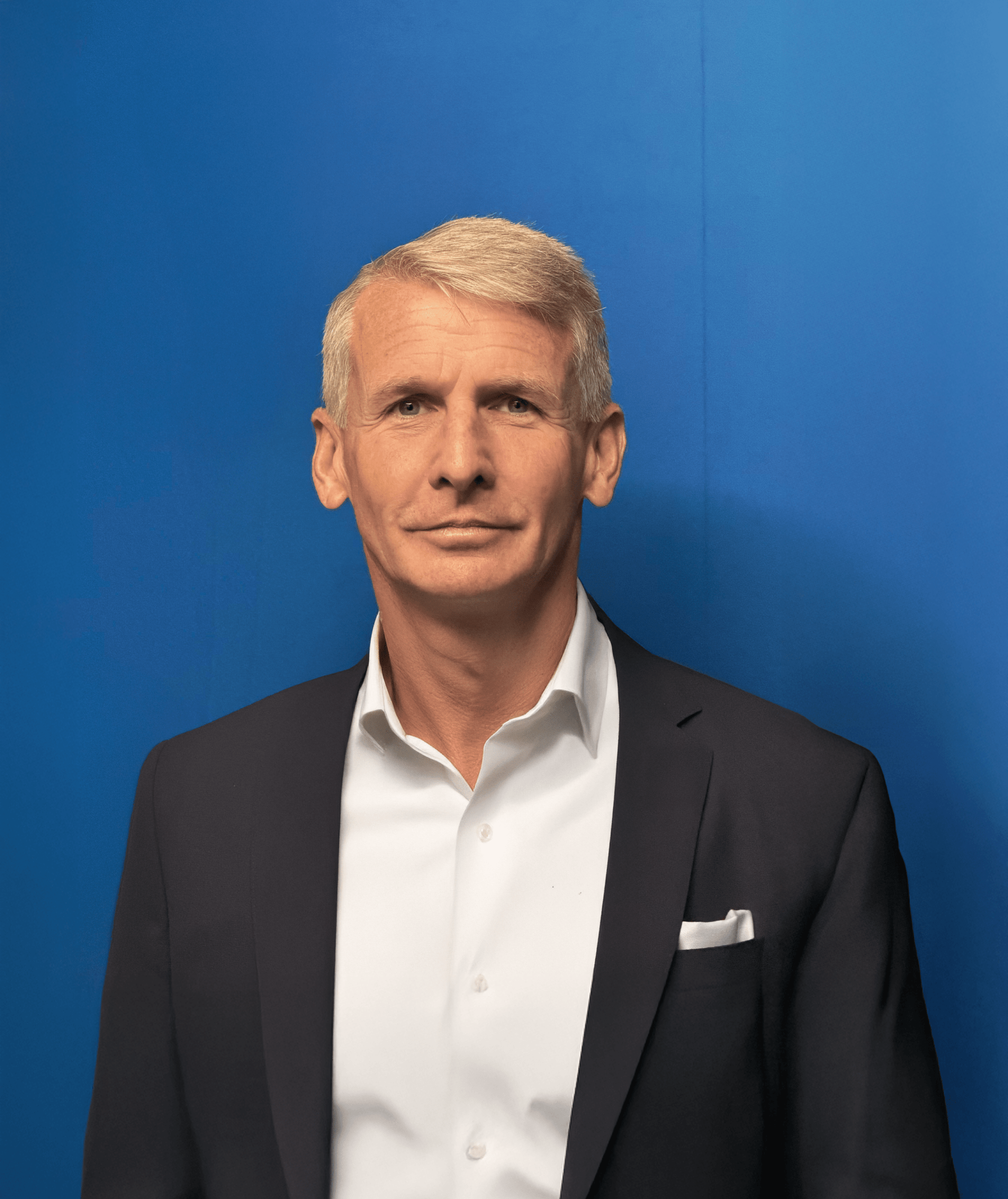
But that’s not the case, argues Johannes Hummer, the Dubai-based CEO of Freedom Telecom International, an arm of Freedom Holding Corp., which helps telecom operators embed fintech services into their platforms, primarily across emerging markets. He’s spent more than a decade operating out of the region and previously ran Vodafone’s Middle East and Africa business. His message to Western executives watching from a distance: the companies showing up right now are the ones that will own the next chapter of Gulf growth.
Hummer points out that while the UAE reported 13 deaths from the fallout of drone attacks early on, there have been no fatalities reported since late March. He says local companies are using the war-related downturn to improve their operations and infrastructure. “Hotels are closing down for innovation, doing long-overdue maintenance and getting ready for autumn when the season comes back up,” he told me recently, pointing to the government’s rollout of a range of new infrastructure projects, too. “Traffic was getting out of control because too many people came in and the infrastructure couldn’t keep up. Now, they’re focusing on getting it right.”
Moreover, he notes that companies like Revolut and Nubank have recently moved headquarters to Dubai. In addition to being a good base for sourcing multicultural talent and expanding into Asia or Africa, Hummer argues that the U.S. is trailing the UAE when it comes to going digital. “I have all my stuff on one app—my car license renewal, insurance, bills, electricity, visa stuff. If your car is up for renewal, you can do it all in two minutes,” he said.
Every country expects companies to establish a physical presence in order to tap its market. As Hummer puts it: “If you come now, you are giving a very strong signal of commitment.” To better understand the perspectives and players in this shifting business climate, subscribe to our new Fortune Gulf Brief newsletter, written by veteran journalist Melissa Hancock and edited out of London by Kamal Ahmed.
Contact CEO Daily via Diane Brady at diane.brady@fortune.com
Top leadership news
SpaceX-Tesla merger?
The math governing a potential union of SpaceX and Tesla has improved substantially. SpaceX shares have shot to such celestial heights that it can now purchase Tesla by offering far less stock than would have been required had its valuation settled at its pre-trading level. That scenario makes it easier to solve a nagging problem that plagues the Musk empire: How to bail out Tesla.
Richer but leaner
The U.S.’s biggest companies by revenue are getting richer but leaner. The firms on the latest Fortune 500 reported collective revenue of $21 trillion, profits that rose 12%, and market value that climbed 19%. At the same time, combined headcount fell 1% for a second straight year, and AI-fueled productivity gains are only part of the story.
A new trade war is brewing
There’s growing alarm among European leaders over the flood of Chinese exports threatening their home-grown industries, and their response could resemble something from President Donald Trump’s trade war. French President Emmanuel Macron has suggested “the European equivalent of Section 301,” referring to the part of the Trade Act of 1974 that allows the U.S. to impose tariffs in response to unfair or discriminatory trade practices.
The markets
S&P 500 futures are down 0.12% this morning. The last session closed up 1.08%. The STOXX Europe 600 was down 0.13% in early trading. The U.K.’s FTSE 100 was down 0.04% in early trading. Japan’s Nikkei 225 was up 1.55%. South Korea’s KOSPI was up 0.69% today. China’s CSI 300 was up 2.39%. Hong Kong’s Hang Seng was down 0.65%. India’s NIFTY 50 was up 0.51%. Bitcoin was at $64K.
Around the watercooler
With the exits of Apple’s Tim Cook and Dow’s Jim Fitterling, the Fortune 500 is losing two groundbreaking gay CEOs—leaving just one by Phil Wahba
The Great Recession’s missing children are finally bringing college’s financial crisis into sight. Welcome to the ‘enrollment volatility’ era by Tristan Bove
Your ‘proteinmaxxing’ is creating a whey shortage that’s ratcheting up prices and leaving snack companies to eat costs or make recipes worse by Sasha Rogelberg
If you’re surprised by how well the stock market is doing, so is Jamie Dimon—he says there’s a ‘little tsunami’ heading for the economy by Eleanor Pringle
World Cup teams will be paid a record $871 million: Each team will get $12.5 million as a bare minimum for playing and ‘preparation money’ by Emma Burleigh
CEO Daily is curated and edited by Joseph Abrams, Jason Ma, Claire Zillman, and Lee Clifford.
#Veteran #Middle #East #CEO #business #region #isnt #retreatingits #resetting