Ford Motor Company has reached a major production milestone at its Michigan battery plant and remains on track to ship cheaper lithium-iron phosphate (LFP) batteries in 2026. The new battery technology will be crucial in helping the automaker achieve EV profitability.
China currently dominates production of cheaper and safer LPF batteries, according to Autoblog, which is partly why many Chinese automakers have been challenging to beat on price in major markets outside the United States.
Domestic production of LFP batteries will significantly lower Ford’s costs and reliance on more expensive battery types, while improving margins for its EV business.
This strategy is particularly important as Ford prepares to launch a more affordable electric pickup at around the $30,000 mark.
Ford’s new battery strategy focuses on LFP technology
Batteries make up a significant portion of the cost of an EV, so finding ways to lower battery-related costs is key for any automaker producing electric vehicles.
LFP chemistry is currently viewed as the lowest-cost technology for new EVs. Some Chinese automakers have achieved low battery costs of about $73 per kilowatt-hour (kWh) for LFPs versus around $93 per kWh for lithium nickel manganese cobalt (NMC) solutions, reports McKinsey & Company.
More Automotive:
- Why Jim Cramer says Ford’s real story isn’t trucks or EVs
- Ford analyst identifies big benefits from its latest pivot
- China’s BYD sets audacious goal: Overtake Toyota by 2030
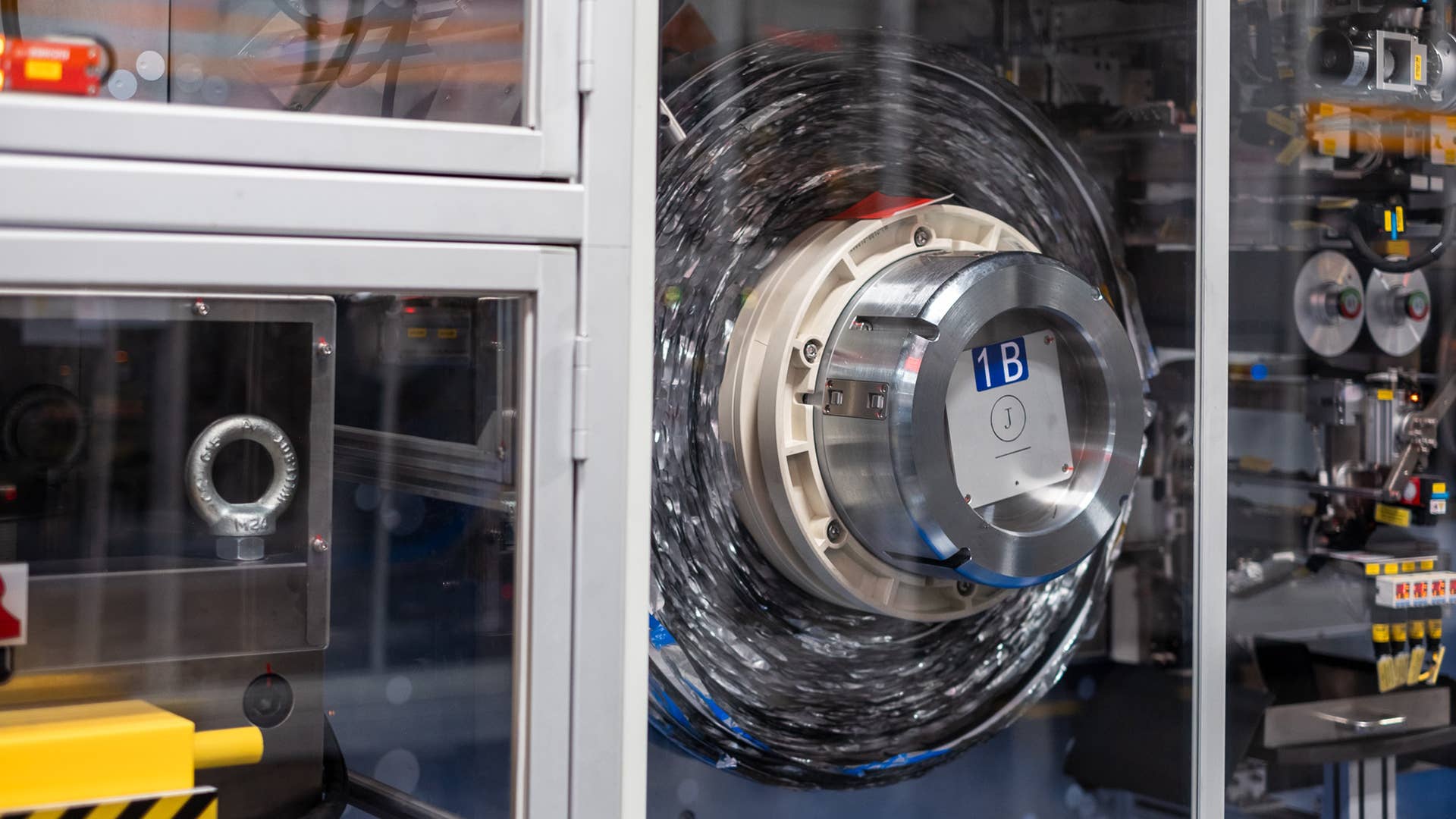
Ford (F) workers at BlueOval Battery Park Michigan are now assembling the first full LFP prismatic cells and are ready to ramp up production.
“This project brings world-class battery technology to our state and positions us to bring even more auto and battery manufacturing back from overseas,” said Michigan Governor Gretchen Whitmer.
Besides lower costs, LFP batteries also result in fewer fires than NMC equivalents and have a longer lifespan. These benefits have been a massive competitive advantage for Chinese automakers like BYD, but Ford will become the first to produce LFP batteries for mainstream consumer use in the United States.
Ford
EVs pose unique profitability challenges
Ford is one of many legacy automakers to have battled to turn EVs into a profitable business. In 2025, the Blue Oval’s EV-related losses amounted to $19.5 billion, reports Autoblog.
High battery costs have typically driven up EV prices, and the one major saving grace — the federal tax credit of up to $7,500 in the U.S. — fell away last year. Consumers have been unwilling to spend a 10% or greater premium on an EV relative to an equivalent gas model.
Related: Ford faces another setback involving its most important vehicle
This has prompted a complete revision of Ford’s EV strategy and a new generation of electric vehicles that will be pitched at a lower price point.
A fresh midsize electric pickup with LFP batteries will be based on Ford’s new Universal EV Platform. Priced at around $30,000, it will be more than $20,000 cheaper than the older, discontinued F-150 Lightning pickup.
If battery costs come down as expected, Ford can maintain lower pricing, improve sales volumes, and boost margins.
What Ford’s new battery tech means for buyers and investors
Local production of LFP batteries in the U.S. is Ford’s strongest effort yet to get its EV business back on track and prevent a repeat of the losses it experienced over the last few years.
The change in fortunes will take time, though. Ford said earlier this year it expects its Model e electric vehicle division won’t become profitable until 2029, reports CBT News.
For customers, the new batteries are expected to translate into cheaper EV options and broaden the availability of electric Fords into new segments. A $30,000 electric truck will also put pressure on domestic rivals Ram and Chevrolet.
What remains uncertain is whether customer demand for the new EVs will increase. Tough competition from Chinese automakers is another factor outside the United States.
While Ford’s advances in LFP battery production can’t guarantee a more promising chapter for its EV business, it’s an important step toward building EVs that better cater to customers at a lower price point and meaningfully contribute to the company’s financial sustainability.
Related: Ford CEO’s son is practicing what his dad preaches
#Ford #betting #battery #strategy #EVs #profitable