Consumers continue to show a strong demand for chicken, but for independent restaurant brands, competing in one of the industry’s fastest-growing categories has become increasingly difficult.
Major chains, including Chick-fil-A, Popeyes, McDonald’s, and Raising Cane’s, have heavily invested in the fried chicken sandwich market over the past several years, increasing competition across the segment.
That demand shows little sign of slowing. According to Circana, fried chicken sandwich consumption at U.S. restaurants rose 19% between 2019 and 2024 and is projected to continue growing through 2028, outperforming other menu subcategories.
However, for independent operators, growth has become more difficult to sustain. Higher food and labor costs, rising occupancy expenses, and increased competition have added pressure to restaurant expansion and long-term profitability.
One company navigating those challenges is Flip The Bird, a comfort-food restaurant chain founded in 2019 in Beverly, Massachusetts. Known for its made-to-order fried chicken sandwiches and house sauces, the brand expanded to multiple locations relatively quickly.
But despite that growth, the chain is now reducing its footprint after revealing another restaurant closure.
Flip The Bird confirms closure of another location
Flip The Bird confirmed it will permanently close its Swampscott Mall location at 450 Paradise Rd in Swampscott, Massachusetts, at the end of business on June 21.
In a statement shared on Facebook, the company said the decision reflects broader operational pressures affecting much of the restaurant industry in recent years.
According to the company, construction projects, rising labor and occupancy costs, higher food prices, and broader operating expenses made it more difficult to sustain growth while maintaining the quality and service customers expect.
Flip The Bird explored relocation opportunities around the Swampscott area but was unable to find a site that aligned with its standards and future plans.
“By focusing our resources and strengthening our core business, we can build a more sustainable foundation for the future, continue investing in our amazing team, and better serve you,” the company said in its statement.
The chain added that while closing the location was not the outcome it hoped for, leadership believes consolidating operations now will support long-term stability in a challenging operating environment for independent businesses.
Flip The Bird emphasized that the impacted workers will be transferred to nearby stores and remain employed.
Despite the closure, the company will continue to operate its remaining locations and encourages customers to visit its nearby restaurants after the Swampscott store shuts down.
Remaining nearby locations include:
- Cabot Plaza:407 Cabot St, Beverly, Massachusetts (6 – 7miles)
- Danvers:198 Endicott St, Danvers, Massachusetts (7 – 8 miles)
The latest closure follows the company’s September 2025 shutdown of its Woburn location and leaves Flip The Bird operating three remaining restaurants in Massachusetts.
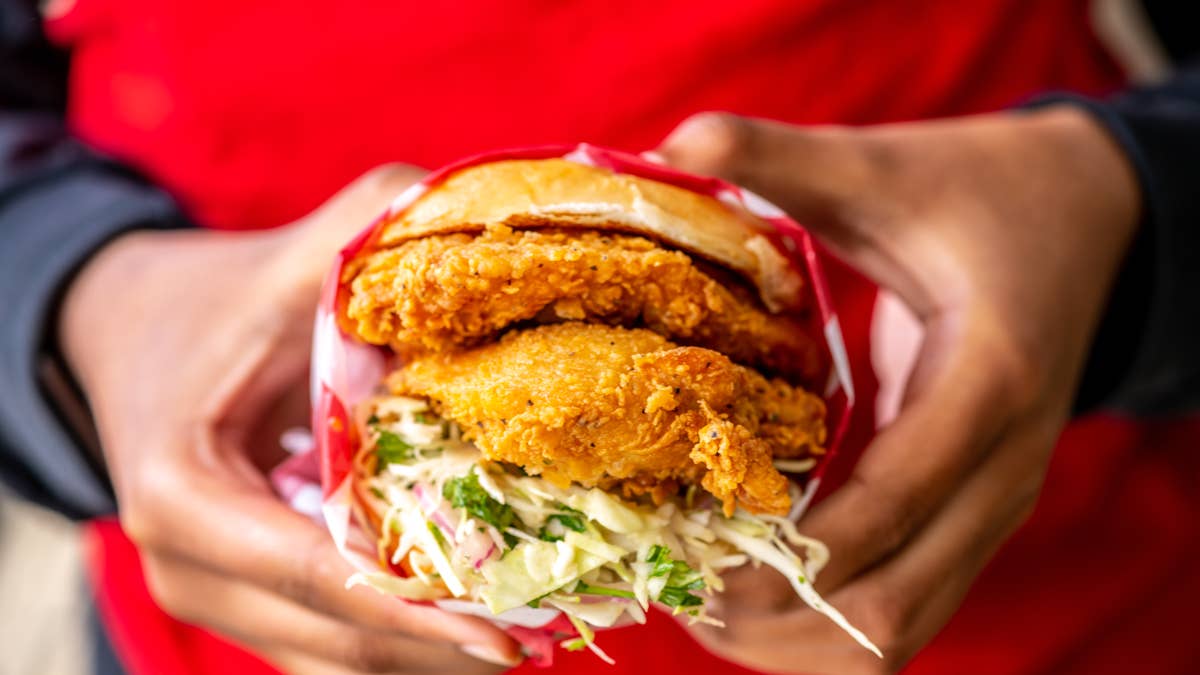
Laura Chase de Formigny for The Washington Post via Getty Images
Restaurant industry pressures continue to shape the market
Flip The Bird’s decision reflects broader conditions affecting restaurant operators nationwide.
Across the industry, operators continue to manage elevated costs tied to food, labor, occupancy, financing, and day-to-day operations, while consumers remain more selective with their discretionary spending.
Here’s some of my previous coverage on restaurant closures:
- Fast-food burger pioneer chain closes its final location
- Regional pizza chain closes final restaurant after 51 years
- Popular Mexican chain closing all locations after Chapter 11 rescue
Data from the National Restaurant Association show food and labor costs have increased by about 35% over the past five years, adding sustained pressure on restaurant margins.
The National Restaurant Association also found that approximately 60% of restaurant operators reported lower customer traffic in December 2025.
Industry analysts at JPMorgan Chase noted that smaller businesses are often more vulnerable during periods of economic uncertainty due to tighter margins and more limited flexibility.
“Historically, the median life expectancy for small businesses has hovered around five years,” analysts said.
Data also illustrate the difficulty of sustaining restaurant operations long term. According to the U.S. Bureau of Labor Statistics, around 17% of new restaurants close within their first year, and nearly half don’t survive beyond five years.
Why independent restaurants often face steeper challenges
According to industry analysts at Hancock Whitney, these are some of the major factors faced by the independent restaurant industry:
- Rising operating costs: Rent, labor, utilities, and ingredients require significant investment before generating returns.
- Limited financial flexibility: Small businesses typically operate with tight margins and limited access to capital.
- Competition from larger chains: National brands benefit from scale, stronger purchasing power, and larger marketing budgets.
- Changing consumer habits: Demand patterns can shift quickly, forcing operators to adapt with limited resources.
- Operational strain: Independent owners frequently manage multiple business functions simultaneously.
- Economic volatility: Inflation, interest rates, and broader economic conditions can impact spending habits.
- Regulatory and compliance costs: Administrative requirements continue to increase operating costs.
- Smaller marketing reach: Limited advertising budgets can make customer acquisition and expansion more difficult.
As demand for chicken remains high and competition intensifies, independent chains like Flip The Bird continue to face the challenge of balancing growth with long-term sustainability.
Related: After bankruptcy, iconic seafood chain closes flagship restaurant
#Fried #chicken #chain #closes #location