Netflix has built some of its biggest streaming conversations around stories audiences thought they already knew.
That has made documentaries and docuseries especially valuable for the company. They can turn old scandals, celebrity careers, and pop-culture moments into new viewing events years after the original headlines faded.
But when a streamer revisits the past, they also get to shape how millions of viewers see it now.
That power is at the center of a new legal fight involving one of reality television’s most recognizable names.
Tyra Banks says Netflix used 16 minutes of 3hr interview
Tyra Banks, the creator and longtime host of America’s Next Top Model, is suing Netflix and several producers behind Reality Check: Inside America’s Next Top Model, a docuseries that revisits the show’s legacy and controversies.
The docuseries was released on Netflix on February 16, 2026.
Banks filed the lawsuit on June 13 in the U.S. District Court for the Central District of California.
More Streaming:
- Netflix has a stunning milestone in sight for 2027
- Disney’s next growth story isn’t parks or movies
- YouTube TV quietly fixes one of subscribers’ biggest complaints
Court documents accessed by TheStreet show Banks is suing Netflix Worldwide Entertainment, Netflix Music, 89 Blocks Holdings doing business as EverWonder Studio, directors Mor Loushy and Daniel Sivan, and related defendants.
Banks brings claims including false light, defamation by implication, breach of contract, and false endorsement under the Lanham Act.
The docket reviewed by TheStreet shows Netflix Worldwide Entertainment and Netflix Music were served on June 16.
Their responses are due July 7.
Banks claims she participated in the docuseries because she believed it would offer viewers a candid discussion of America’s Next Top Model, including both its cultural impact and its shortcomings.
The complaint says Banks sat for a three-and-a-half-hour interview and did not limit what topics could be asked.
She alleges the final series used only about 16 minutes of her answers.
The complaint says the producers used that footage to create a “false and defamatory narrative” and calls the result a “complete fabrication.”
The allegations have not yet been tested in court.
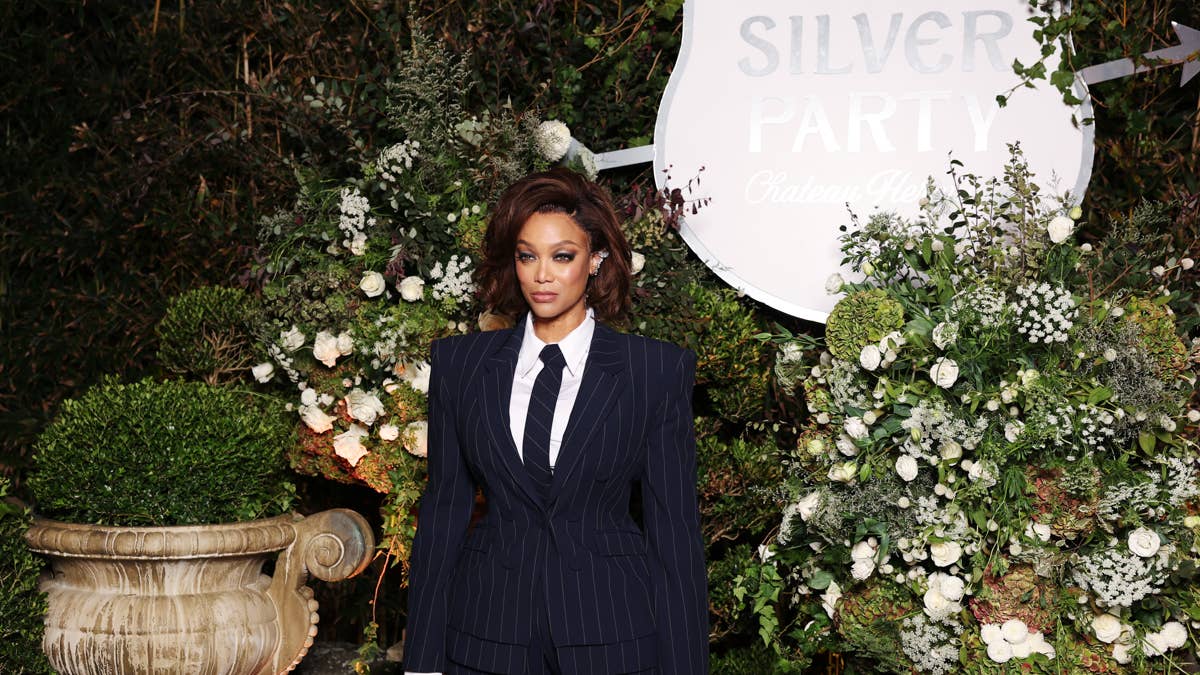
Don Arnold / Getty Images
America’s Next Top Model became 24-cycle TV giant
America’s Next Top Model premiered in 2003 and became one of the most recognizable reality television franchises of its era.
Banks created the show and served as host, judge, and executive producer.
The U.S. version aired 24 cycles between 2003 and 2018, according to the complaint. The filing also says the U.S. version aired in approximately 180 countries and that international versions of the format launched in about 50 countries.
The show gave aspiring models a national platform and helped make runway challenges, photo shoots, makeovers, judging panels, and elimination catchphrases part of reality TV culture.
But its legacy has become more complicated over time.
Old clips from America’s Next Top Model have resurfaced online in recent years, prompting viewers to criticize past scenes involving beauty standards, race, body image, makeovers, and contestant treatment.
Banks is not arguing that the show should be free from criticism.
Her lawsuit argues that Netflix and the producers created a false impression by editing her interview and old show footage.
Court exhibit shows Banks trusted Netflix project
A court exhibit filed with the complaint adds another layer to the dispute.
In a May 2025 email to Jon Adler, an executive producer at EverWonder, Banks wrote that she had initially planned for a 30-minute interview but “stayed for 3 hours!”
She also wrote that she cared deeply about the legacy of America’s Next Top Model and wanted the story to be told “with heart.”
Banks added that she believed the project was in “thoughtful hands.”
The exhibit was used to support the broader argument Banks makes in the complaint: that she was not avoiding the difficult parts of the show’s legacy.
Instead, her lawsuit says she trusted the producers to handle those topics fairly and later concluded that her trust had been used against her.
The same email chain includes Adler thanking Banks for joining the interview and saying her participation strengthened the series.
Netflix lawsuit centers on missing interview context
The most serious part of the complaint involves Shandi Sullivan, a contestant from Cycle 2 of America’s Next Top Model.
The original show portrayed an incident involving Sullivan in Milan as a story about infidelity. In the Netflix docuseries, Sullivan discusses the event through a different lens and describes it as an assault.
Banks says in the complaint that she was not told during her Netflix interview that Sullivan had characterized the incident that way.
According to the lawsuit, the docuseries edited Banks’s response to make it appear that she did not remember Sullivan’s story.
Banks alleges that the full interview footage shows her nodding and saying, “I do remember her story.”
The complaint says those moments were cut.
It also says the docuseries rearranged footage from the original America’s Next Top Model broadcast to make it appear that Banks initiated a discussion about cheating to push Sullivan into an on-air confession.
Banks says that was false and that Sullivan, not Banks, first raised the subject of infidelity.
Netflix case raises First Amendment questions
The lawsuit could also become a test of how courts view documentary editing when a public figure claims a series created a false implication.
Documentaries are protected expressive works, and filmmakers generally have wide latitude to choose what footage to include, what to omit, and how to structure a story.
But defamation and false-light claims can still proceed if a plaintiff shows that the final work conveyed a false and damaging impression, not just an unflattering one.
Freedom Forum, a nonpartisan First Amendment organization, said cases like Banks’s ask courts to decide whether media portrayals are protected as editorial or artistic judgment.
Or whether it crosses the line into a false and damaging depiction of an individual.
Banks alleged in the complaint that she is not only facing criticism of her role on America’s Next Top Model, but that the series created a false narrative about what she knew, what she remembered, and how she responded to a former contestant’s trauma.
Netflix has not yet filed its response in court.
Netflix Music named in separate claim
The lawsuit also includes a separate claim involving the soundtrack for Reality Check: Inside America’s Next Top Model.
Banks alleges Netflix Music released a 26-track soundtrack using an unauthorized image of her on the album cover.
The complaint says the use of her image created the false impression that Banks endorsed the album or was affiliated with it as a separate commercial product.
Banks claims she did not give written or verbal consent for her image to be used that way.
She is seeking damages, attorneys’ fees, and an injunction enjoining the defendants from using her image or likeness on the soundtrack album cover.
She is also seeking a jury trial.
The complaint says Banks asked Netflix and the producers for access to the unedited footage of her interview before filing the lawsuit, so the parties could work together to correct the record.
Banks says that the request was refused.
Netflix has not filed court response yet
The lawsuit comes as streamers continue to use documentary series to revisit older cultural moments and turn them into new viewing events.
That strategy can be powerful because audiences often want to reconsider shows, celebrities, and controversies they once watched in real time.
But the Banks lawsuit shows the legal risk that can come with retelling the past.
A documentary is shaped by what producers include, what they leave out, how they order footage, and what context viewers are given.
Whether Banks’s argument succeeds will depend on the full interview footage, the final edit, the production agreements, and how the court weighs criticism against alleged defamation by implication.
For now, the case has already put one of reality TV’s biggest franchises back in the spotlight.
Netflix has not filed an official court response. That could be why the company has not yet made any official public statement.
Related: Country bans entry to travelers with dual passports
#Netflix #faces #fresh #trouble #lawsuit